

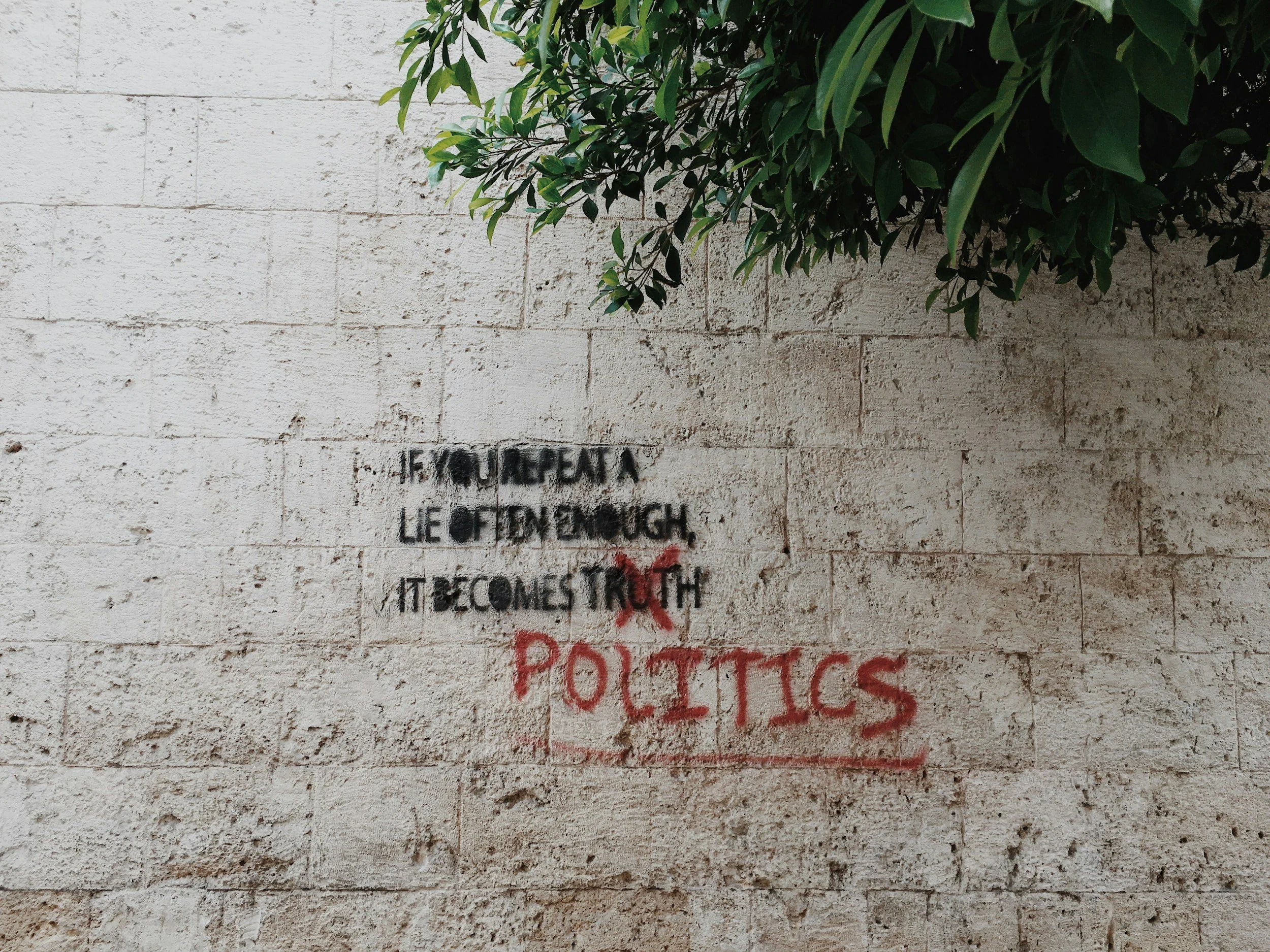
political vocabulary
A political vocabulary is a list of important words and meanings related to government and politics.
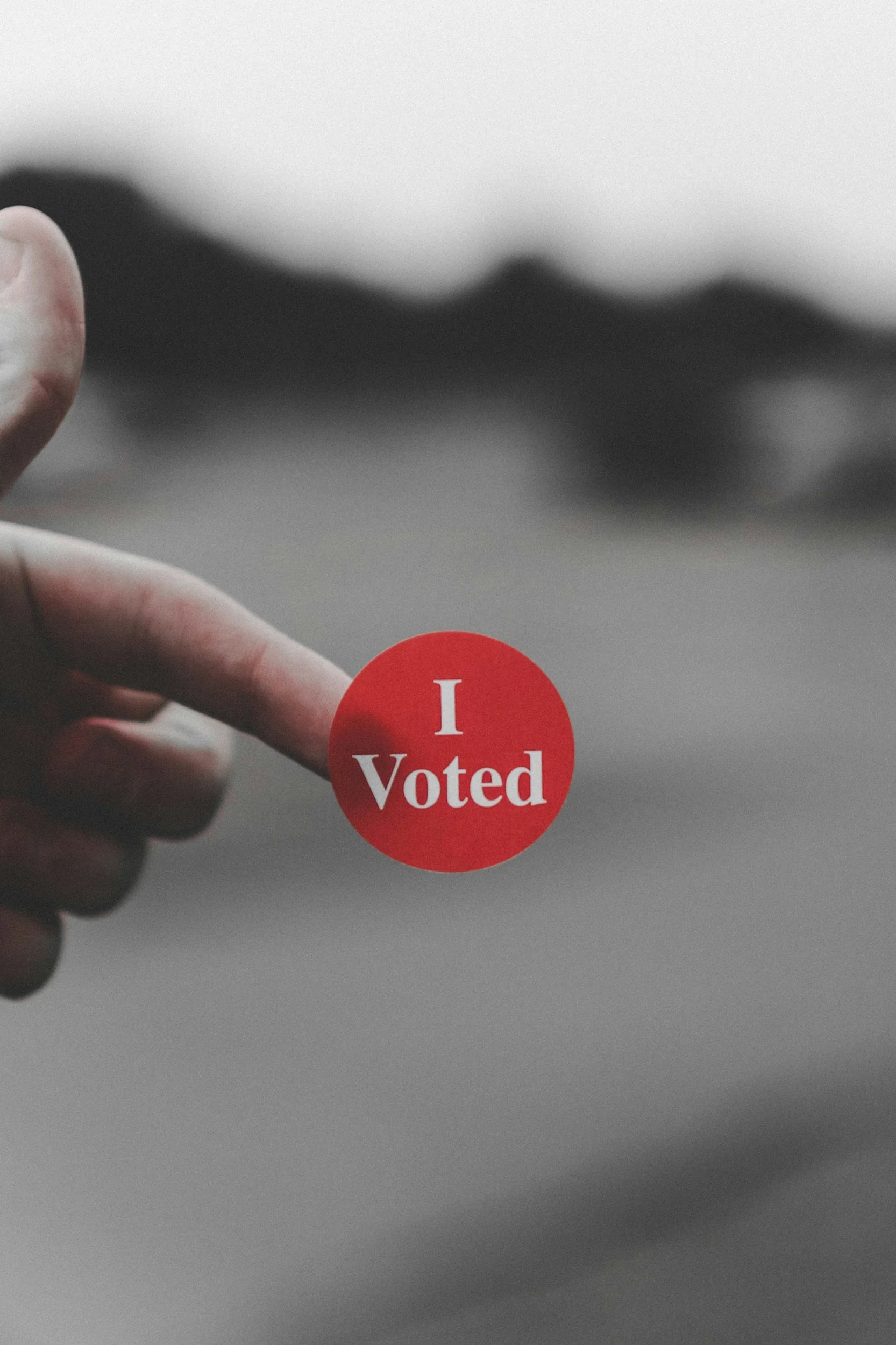
Political means anything related to government, power, decision-making, and how societies are organized and ruled.
Political refers to:
Government systems
Laws and public policies
Elections and voting
Power, authority, and leadership
How groups debate, solve problems, or disagree
How resources and rights are distributed
Political Ideologies
Liberal – Supports social progress, government programs, civil rights, and broader social equality.
Conservative – Prefers limited government, traditional values, free-market policies, and slower social change.
Moderate / Centrist – Holds middle-ground views; may lean left or right depending on the issue.
Progressive – Advocates for systemic change, social justice, and reforms in areas like healthcare, policing, and the economy.
Libertarian – Supports maximum personal and economic freedom with minimal government intervention.
Socialist – Supports collective or public control of major industries and resources.
Democratic Socialist – Advocates for democratic governance + strong social safety nets (e.g., universal healthcare, free education).
Authoritarian – Centralized power with limited political freedom.
Populist – Appeals to “ordinary people” vs. “the elite.” Can be left-wing or right-wing.
Nationalist – Prioritizes national identity, sovereignty, and cultural unity, often with strict immigration views.
Political Parties (U.S.)
Democratic Party – Major U.S. political party; generally liberal/progressive positions.
Republican Party (GOP) – Major U.S. political party; generally conservative positions.
Libertarian Party – Advocates for limited government and individual freedoms.
Green Party – Focuses on environmentalism, sustainability, and social justice.
Independent – A politician or voter not affiliated with any political party.
Third Party – Any U.S. party outside the Democratic and Republican parties.
U.S. Government Structure
Executive Branch – Enforces laws; includes the president, VP, and federal agencies.
Legislative Branch – Makes laws; Congress includes the House of Representatives + Senate.
Judicial Branch – Interprets laws; federal courts + Supreme Court.
Checks and Balances – System that prevents any branch of government from becoming too powerful.
Federalism – Power shared between national and state governments.
Electoral College – System that officially elects the U.S. president.
Filibuster – Senate tactic to delay or block a vote.
Veto – President’s power to reject a bill passed by Congress.
Cabinet – Advisors to the president, leading major federal departments.
Laws, Policies & Government Actions
Bill – A proposal for a new law.
Act / Law – A bill that has been passed and signed.
Amendment – A change or addition to a legal document (e.g., U.S. Constitution).
Policy – Government action addressing an issue.
Public Policy – Laws and regulations created to solve societal problems.
Regulation – Rules put in place by government agencies.
Executive Order – Directive issued by the president without needing Congress.
Treaty – Agreement between countries.
Sanctions – Economic or political penalties against another country.
Political Behavior & Labels
Partisan – Strongly supporting one political party or side.
Bipartisan – Cooperation between two political parties.
Nonpartisan – Not connected to any political party.
Apolitical – Not interested or involved in politics.
Incumbent – The current officeholder running for re-election.
Challenger – A candidate running against the incumbent.
Swing Voter – A voter who does not consistently support one party.
Constituent – A resident represented by an elected official.
Civil Rights & Social Issues
Civil Rights – Rights that guarantee equal treatment (e.g., voting, fair housing).
Civil Liberties – Individual freedoms protected from government overreach (e.g., speech, privacy).
Social Justice – Fair distribution of opportunities, resources, and rights.
Equity – Ensuring fairness by recognizing different needs and barriers.
Equality – Treating everyone the same under the law.
Affirmative Action – Policies to increase opportunities for marginalized groups.
Activism & Public Influence
Advocacy – Supporting or arguing for a cause.
Lobbying – Influencing lawmakers on behalf of a group.
Grassroots Movement – Organizing from the community level upward.
Protest / Demonstration – Public display of opposition or support.
Campaign – Organized effort to influence decisions or win elections.
PAC (Political Action Committee) – Organization that raises money to influence elections.
Super PAC – Can raise unlimited funds but cannot coordinate directly with candidates.